
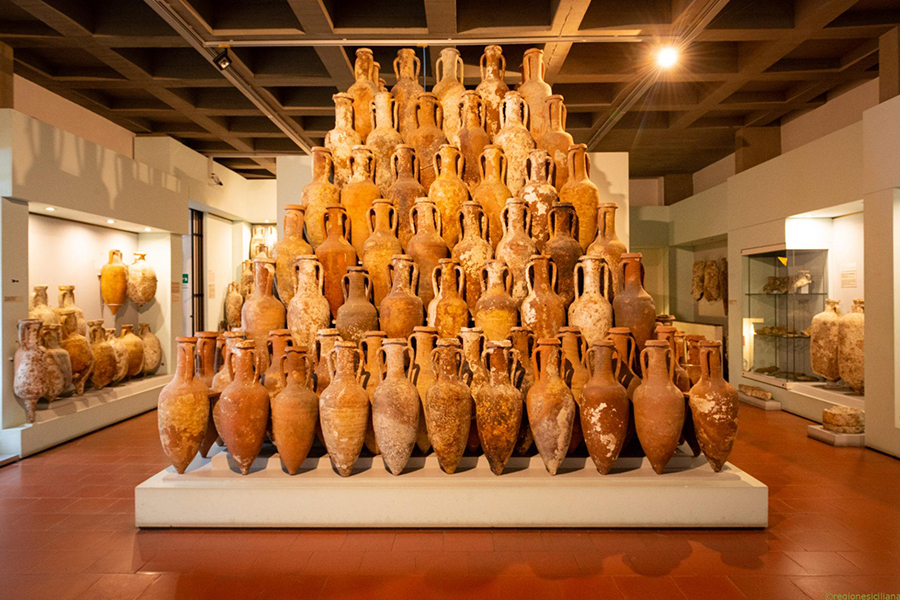
Lipari, la più grande delle Isole Eolie, non è solo una meta famosa per le sue spiagge e i paesaggi mozzafiato, ma anche un luogo ricco di storia e cultura. Se sei un appassionato di archeologia, il Museo Archeologico Luigi Bernabò Brea è una tappa imperdibile durante la tua visita. Situato all'interno del Castello di Lipari, questo museo ospita una collezione unica che racconta la storia millenaria dell'arcipelago e le sue radici antiche.
1. The Luigi Bernabò Brea Archaeological Museum
Il Museo Archeologico Luigi Bernabò Brea è intitolato al famoso archeologo italiano che ha dedicato la sua carriera allo studio delle isole Eolie. Il museo è una delle principali istituzioni culturali della zona e raccoglie reperti che coprono un ampio arco temporale, dalla preistoria fino all'epoca romana.
What to See at the Museum:
- Reperti Preistorici: Il museo ospita una vasta gamma di oggetti provenienti dagli scavi preistorici delle Eolie, tra cui utensili in pietra e ossa, che raccontano la vita delle prime popolazioni dell'arcipelago.
- Ceramiche e Oggetti Greci e Romani: Una delle sezioni più affascinanti è quella dedicata alla ceramica antica, con vasi, piatti e altri oggetti che testimoniano la presenza delle civiltà greche e romane sull'isola. Tra i reperti più interessanti ci sono anche le urne funerarie e le decorazioni architettoniche.
- Peculiarità Vulcaniche e Minerarie: Il museo include anche oggetti legati all'attività mineraria e vulcanica delle isole, in particolare la lavorazione dell’ossidiana, una pietra vulcanica usata sin dall'antichità per la realizzazione di utensili e armi.
2. The History of Lipari Castle
Il museo è ospitato all'interno del Castello di Lipari, un’imponente fortezza che ha svolto un ruolo fondamentale nella storia dell'isola. Il castello fu costruito dai Greci e successivamente ampliato dai Romani, dai Bizantini e dai Normanni, e ha rappresentato un importante centro di difesa e di potere per secoli. Oggi, il castello offre anche una vista panoramica spettacolare sull'isola e sul mare circostante, che aggiunge un tocco speciale alla visita al museo.
3. The Museum in Detail
- Ceramics Collection: The museum boasts an extraordinary collection of ancient ceramics, spanning prehistory to Roman times. Objects such as plates, vases, and cups tell the story of the daily life of the ancient Aeolian people.
- Fossil and Mineral Finds: Excavations have uncovered numerous fossils and minerals that testify to the unique geology of the Aeolian Islands, characterized by the presence of active volcanoes. Some of these finds are on display in the museum to demonstrate the connection between the islands' nature and history.
- Ritrovamenti Relativi al Culto e Alle Sepolture: Il museo espone anche reperti legati alle pratiche funerarie e religiose delle antiche popolazioni. Tra questi spiccano le urne cinerarie e i manufatti rituali, che rivelano aspetti della spiritualità e della cultura dei popoli che hanno abitato l’isola.
4. How to Visit the Museum
The Luigi Bernabò Brea Archaeological Museum is located just steps from the port of Lipari, in the heart of the city. It is open year-round, with opening hours that vary depending on the season, so it's advisable to check opening times before your visit. The museum also offers guided tours that will allow you to explore every corner of the museum and better understand the historical significance of each artifact.
Il Museo Archeologico Luigi Bernabò Brea di Lipari è una tappa fondamentale per chi vuole conoscere la storia e la cultura delle Isole Eolie. Con la sua ricca collezione di reperti preistorici, romani e medievali, il museo offre un viaggio affascinante nel passato dell'arcipelago, permettendo ai visitatori di comprendere meglio l'evoluzione delle isole e il ruolo che hanno giocato nelle antiche rotte commerciali del Mediterraneo. Se hai in programma una visita a Lipari, non perdere l'occasione di esplorare questo straordinario museo!